
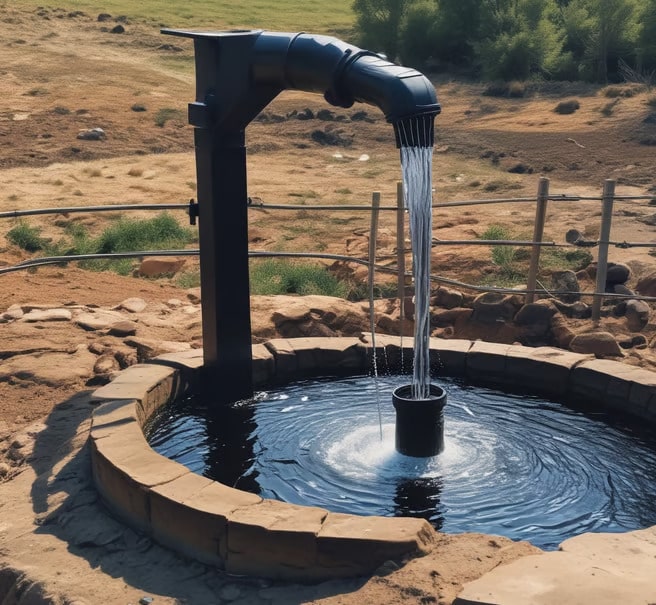
In Texas, fall isn’t just about football and cooler evenings—it’s the most critical time of year for water well owners. After a scorching Texas summer, your well system has likely worked overtime to keep your home running and your landscape hydrated.
As the temperatures begin to dip, the shift in seasons brings unique challenges to your water supply. From preventing frozen pipes to ensuring your pump survived the summer heat, proactive maintenance is the key to avoiding “no-water” emergencies during the winter.
At Aquatech Solutions, we’ve seen how a little bit of autumn preparation can save West Texas residents thousands in repair costs. Follow our essential fall checklist to ensure your water well maintains optimal flow and purity all season long.
1. Clear the Area Around the Wellhead
During the fall, leaves, dried brush, and organic debris tend to accumulate. While it might seem harmless, buildup around your wellhead can harbor pests or allow bacteria to seep into your groundwater during autumn rainstorms.
-
The Task: Clear at least a 10-foot radius around your wellhead.
-
Why it matters: Keeping the area clean prevents insects (like fire ants) from nesting in your electrical components and reduces the risk of surface water contamination.
2. Inspect the Well Cap and Casing
Your well cap is the first line of defense against the outside world. Texas heat can cause older plastic caps to crack or seals to dry out.
-
The Task: Check for cracks, loose bolts, or signs of tampering. Ensure the casing extends at least 12 inches above the ground.
-
Why it matters: A damaged cap is an open invitation for rodents, insects, and bacteria like E. coli to enter your drinking water.
3. Test Your Water Quality
Fall is the perfect time for your annual water test. After the heavy usage of summer and before the potential runoff of winter rains, you need a baseline of what you’re drinking.
-
The Task: Schedule a professional water test to check for nitrates, bacteria, and mineral levels (TDS).
-
Why it matters: In regions like the Permian Basin, mineral content can fluctuate. Early detection allows you to adjust your filtration or softening systems before they become overwhelmed.
4. Check Your Pressure Tank & Pump Performance
Did your pump start making a “clicking” sound this summer? Or have you noticed a drop in water pressure? Fall is when these minor symptoms turn into major failures.
-
The Task: Listen to your pump cycle. If it’s turning on and off too frequently (short-cycling), your pressure tank might be waterlogged.
-
Why it matters: Constant cycling wears out your pump motor prematurely. Catching a pressure tank issue in October is much easier than replacing a submerged pump in January.
5. Winterize Exposed Piping
Texas winters are unpredictable. A sudden “Blue Norther” can drop temperatures below freezing in hours, leading to burst pipes and a flooded well house.
-
The Task: Insulate any exposed pipes with foam sleeves or heat tape. If you have a well house, ensure the structure is sealed and consider a small, safe heater for extreme freezes.
-
Why it matters: Prevention is significantly cheaper than emergency pipe repair.
6. Schedule a Professional “Flow Test”
Sometimes the issues aren’t visible on the surface. A professional inspection by Aquatech Solutions can determine if your well’s yield has changed.
-
The Task: Have a licensed professional perform a flow test to measure how many gallons per minute your well is producing.
-
Why it matters: This ensures your system is optimized for “Optimal Flow,” preventing air from entering the lines and protecting your pump from running dry.
Why Trust Aquatech Solutions?
Based in Odessa, TX, Aquatech Solutions understands the unique geology and water needs of the Lone Star State. Whether you need a routine fall inspection, a pump repair, or a brand-new well installation, we are committed to providing the Permian Basin with reliable, clean, and sustainable water.
Don’t wait for the first freeze to find a problem. Contact Aquatech Solutions today or call us at 432-214-4520 to schedule your fall maintenance checkup.