
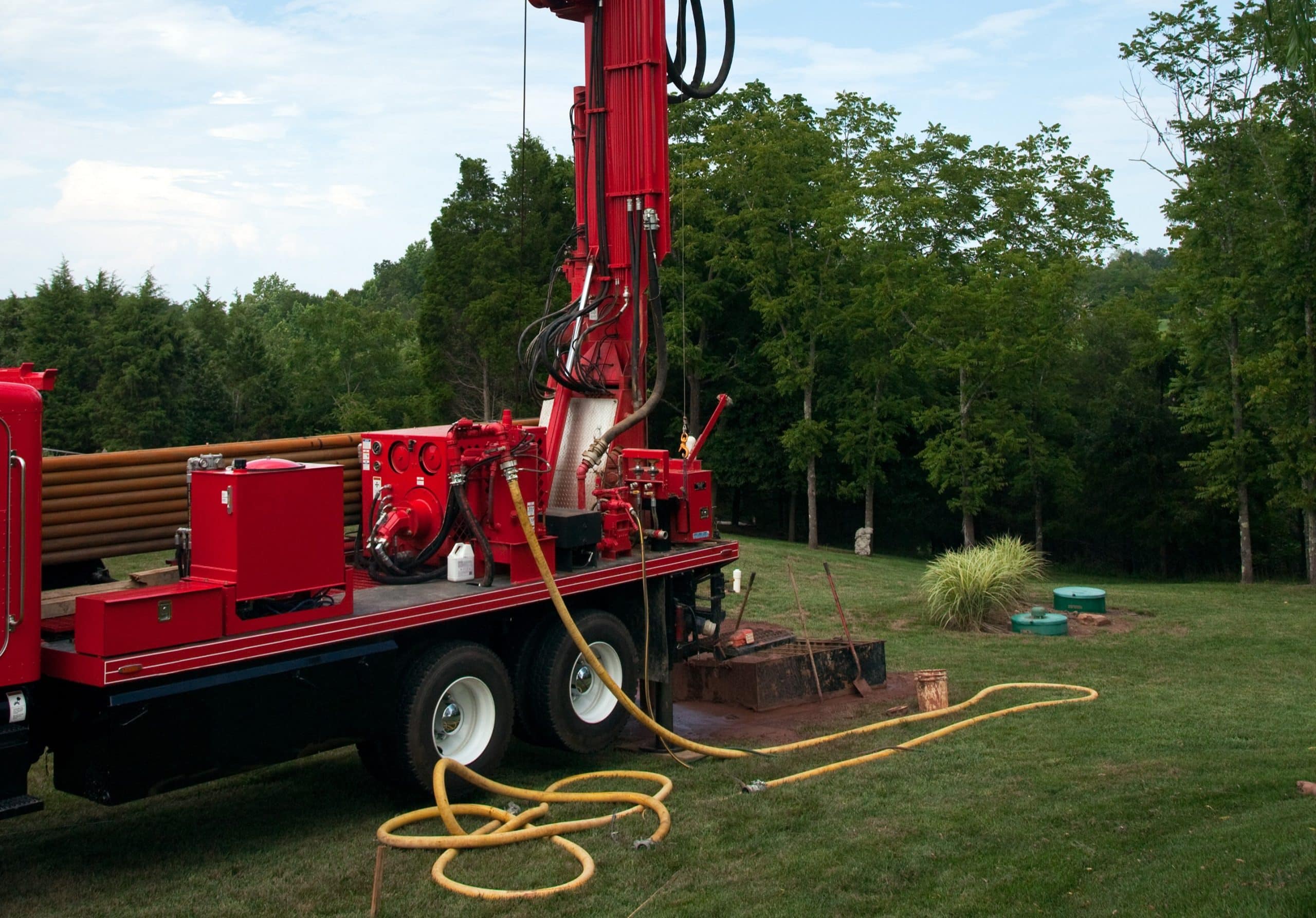
When most people think of a water well, they picture the pump drawing water up from deep underground. However, what keeps that water clean and safe on its journey to the surface is an entirely different, hidden engineering component: the well casing and well cap.
Maintaining pristine water quality requires more than just a deep aquifer. It demands a robust, professionally sealed barrier that isolates your drinking water from surface-level contaminants.
Here is a look at why proper well casing and sealing are absolutely vital to protecting your health and your water supply.
What is Well Casing?
A well casing is a heavy-duty lining—typically constructed from carbon steel, stainless steel, or high-density PVC plastic—that is inserted into the drilled borehole.
The casing serves two critical purposes:
-
Structural Integrity: It prevents the surrounding dirt, rock, and shale from collapsing inward and burying the well pump.
-
Zonal Isolation: It seals out lower-quality water from shallow zones, ensuring you only draw water from the intended, deep aquifer.
The Role of the Well Cap and Sanitary Seal
At the very top of the casing, extending above the ground surface, sits the well cap. A proper sanitary well cap does much more than just keep rain out; it is equipped with rubber gaskets and screened vents that create a secure seal.
Without a high-quality, undamaged well cap, your well is vulnerable to a host of hazards:
-
Insects and Pests: Earwigs, spiders, mice, and snakes frequently seek out the damp, cool environment of an open well casing. If they fall in and perish, it can cause severe bacterial contamination.
-
Surface Runoff: Heavy rains can carry fertilizers, pesticides, livestock waste, and bacteria (such as E. coli) across the ground surface. If your well isn’t sealed correctly, this contaminated runoff can pour directly down the sides of the casing into your drinking supply.
Signs Your Well Casing or Seal is Compromised
If your casing cracks due to ground shifting, or if your well cap degrades over time, you may notice distinct warning signs affecting your water quality:
-
Sudden Turbidity: If your tap water suddenly looks muddy, cloudy, or contains visible sand and grit, your casing may be cracked or broken, allowing surrounding soil to leak into the well.
-
Changes in Taste or Odor: Unusual earthy, metallic, or sulfur-like odors can indicate that surface water or shallow, low-quality groundwater is bypassing your seals.
-
Failed Bacterial Tests: Regular water testing is highly recommended. A sudden positive test for coliform bacteria is a classic indicator of a failed surface seal or compromised well cap.
Protect Your Water Supply with Aqua Tech Solutions
Your well is a long-term investment in your property’s self-sufficiency and health. Ensuring that your well casing is intact and your sanitary seals are airtight is the single best defense against groundwater contamination.
At Aqua Tech Solutions, our licensed technicians specialize in well inspections, casing repairs, and sanitary cap installations. We use advanced down-hole cameras to visually inspect the interior of your casing, identifying structural weak points or cracks before they ruin your water quality.
Is your well protected? Schedule a professional well casing inspection and water quality test with Aqua Tech Solutions today to guarantee your peace of mind.