
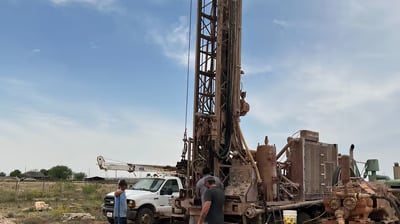
If you are looking into drilling a new well in the Lone Star State, one of the first questions you likely have is: What is the actual bottom line?
When evaluating a water well cost Texas quote, it is important to understand that no two well projects are identical. A quote isn’t a flat rate; it is a calculated estimate tailored to the unique geology and logistics of your specific property. At Aqua Tech Solutions, we believe in complete financial transparency.
Here are the primary factors that influence your final water well drilling quote.
1. Depth to the Aquifer
Drilling is heavily priced by the foot. The depth required to hit a reliable, high-producing water vein varies wildly across Texas. For example, a well tapping into a shallow aquifer might only need to go down 100 to 150 feet. However, if your property sits over a deeper or highly depleted water table, drilling might need to extend 500 feet or deeper to guarantee a long-term water supply.
2. Geological Formations and Soil Conditions
What lies beneath your topsoil dictates the type of drilling equipment and bits required. Drilling through soft sand, clay, or loose gravel requires a completely different approach—and speed—than hammering through solid limestone, granite, or caliche. Tougher rock formations take longer and cause more wear on machinery, which impacts labor costs.
3. Casing Materials and Diameter
To prevent your newly drilled well from collapsing or taking on contaminated surface water, a protective pipe called a “casing” is installed. The cost will vary based on:
-
Material: High-grade PVC is standard, highly durable, and cost-effective for most residential wells. Heavy-duty steel casing is more expensive but often necessary for deep wells or highly unstable ground.
-
Diameter: Larger diameter wells require larger casings, larger drill holes, and more grout to seal, increasing material expenses.
4. Pump Size and System Horsepower
Once the hole is drilled, you need a way to get the water to the surface. The price of your pump and pressure tank setup depends entirely on your usage needs. A standard single-family home might only require a 1-horsepower submersible pump. A large estate or a commercial property with high-yield demands will require a much larger, heavy-duty pump system capable of pushing high volumes over long distances.
5. Water Quality and Filtration Demands
Once water is reached, it must be tested. Depending on your region in Texas, your well water may have high levels of iron, sulfur, hardness, or total dissolved solids (TDS). Incorporating whole-house filtration, water softeners, or reverse osmosis systems into your initial installation plan will adjust the final project budget.
Get an Accurate, Honest Estimate
Because your location dictates so much of the cost, the best way to budget is to work with local experts who understand the regional grid and geology. Contact Aqua Tech Solutions today for a site-specific consultation and a transparent, line-item quote.