
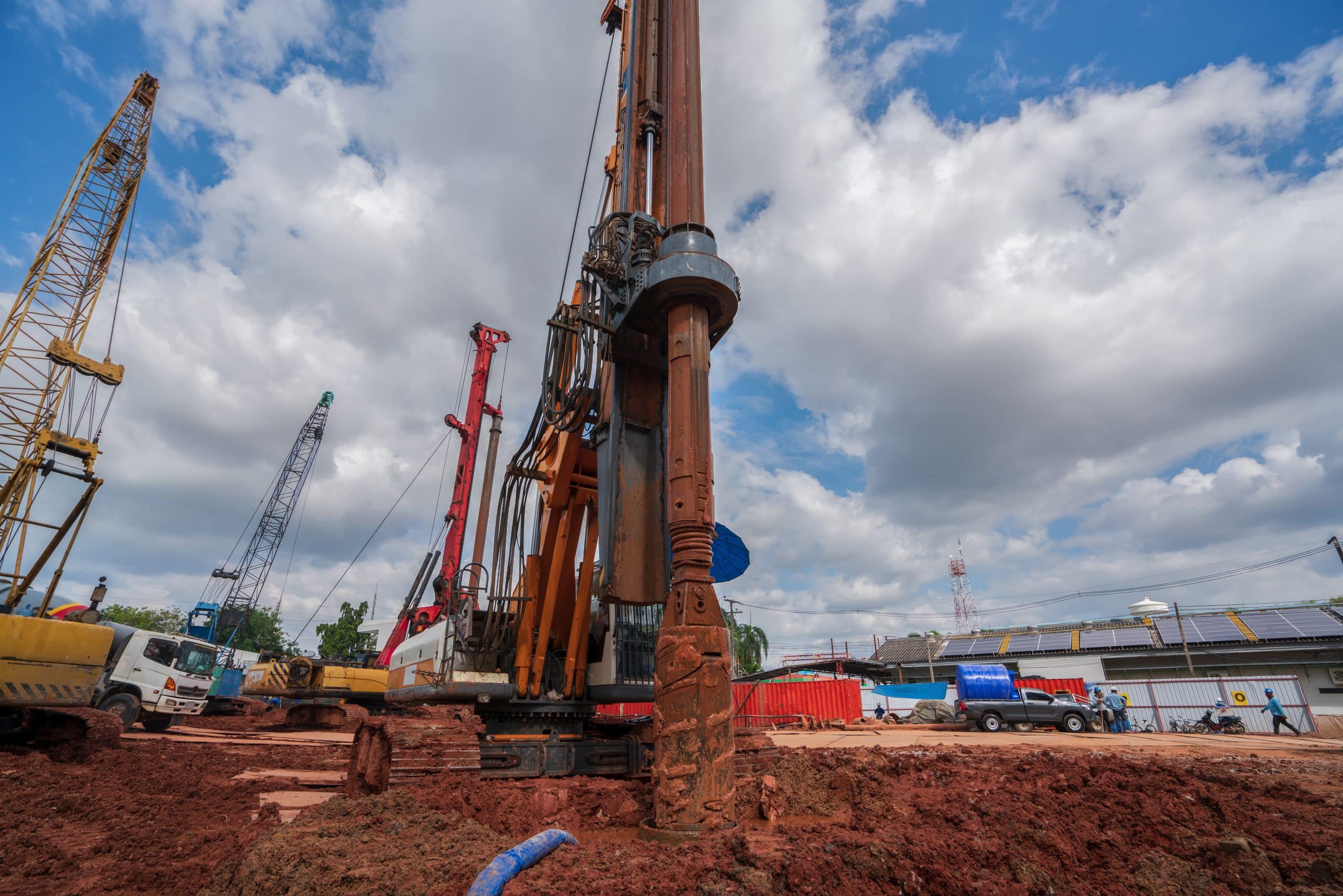
A private water well is a powerful investment that provides clean, chemical-free water independent from rising municipal utility bills. However, over time, property owners may notice a decrease in water pressure, slower tank refills, or a drop in total gallons per minute (GPM)—signs that well yield and efficiency are slipping.
Understanding what impacts water well production and taking proactive steps can help restore flow rates, protect your well pump, and extend the lifespan of your water system.
Common Causes of Low Well Yield
Before taking corrective steps, it helps to understand why a well’s production might decrease:
-
Mineral & Scale Build-Up: Hard water minerals (calcium, iron, and magnesium) can clog the perforations in the well casing or screen, restricting water flow into the bore.
-
Bio-Fouling & Slime: Iron bacteria and micro-organisms create sticky biofilms that block screen openings and lower pumping efficiency.
-
Sediment Accumulation: Sand, silt, and clay settling at the bottom of the well can submerge pump intakes and restrict recharge rates.
-
Pump Wear or Sizing Issues: An inefficient, worn, or incorrectly sized submersible pump works harder than necessary, causing low pressure and high energy consumption.
Actionable Ways to Boost Well Yield & Efficiency
1. Schedule Professional Well Rehabilitation & Cleanout
If mineral crust or sediment is restricting flow, mechanical or chemical well cleaning can restore production. Techniques like high-pressure water jetting, surging, and specialized chemical treatments break up encrustation on well screens and clear accumulated sediment from the bottom of the bore.
2. Upgrade to a Variable Frequency Drive (VFD) Constant Pressure Pump
Traditional well pumps operate on an all-or-nothing basis, cycling on at full power and turning off when pressure thresholds are reached. Installing a Variable Frequency Drive (VFD) allows the pump motor to adjust its speed dynamically based on immediate water demand. This yields:
-
Constant, smooth water pressure throughout the property
-
Reduced electrical energy consumption
-
Less mechanical stress and longer pump life
3. Perform Routine Well Pump & System Maintenance
A well pump struggling against worn impellers, leaky check valves, or pressure tank air loss consumes excess electricity while delivering lower flow rates. Annual preventative maintenance inspections catch minor mechanical issues before they compromise system efficiency.
4. Well Deepening or Hydrofracturing
In cases where local aquifer levels have dropped, deepening an existing well bore can reach lower, more productive water strata. Alternatively, hydrofracturing uses high-pressure water injection to open up closed rock fractures surrounding the well bore, creating fresh channels for water to enter.
Protect Your Water Supply with Aqua Tech Solutions
Don’t let low water pressure or reduced flow disrupt your home, ranch, or business. The team at Aqua Tech Solutions specializes in comprehensive well drilling, pump repair, and system maintenance across Odessa, Midland, and the surrounding areas. We evaluate your entire well system to diagnose flow issues and deliver long-lasting efficiency solutions.
Ready to boost your water well yield? Call Aqua Tech Solutions at 432-214-4520 or visit aquatechsol.com to schedule a professional well system evaluation today!