
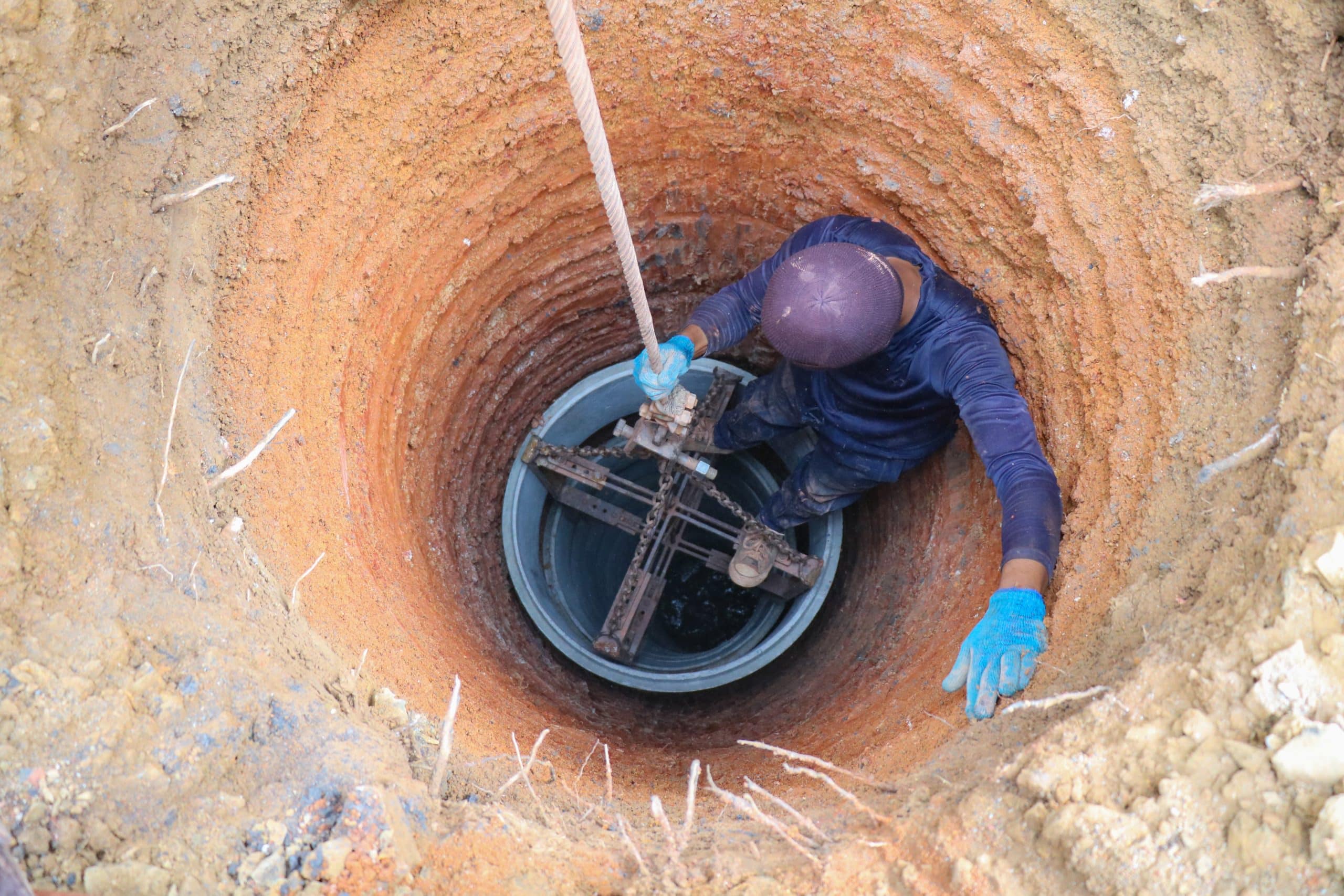
Unused, abandoned, or deteriorating water wells are more than just an eyesore on a piece of property—they represent significant safety hazards and environmental liabilities. Across Texas, state regulations require property owners to properly plug and decommission inactive wells to protect regional aquifers and public safety.
Understanding the importance of professional well decommissioning ensures your property stays compliant, safe, and protected.
Why Abandoned Wells Must Be Properly Plugged
An open, unplugged well creates two major risks:
-
Direct Contamination Route to Aquifers: An abandoned well casing acts as a direct conduit for surface runoff, herbicides, pesticides, livestock waste, and industrial chemicals to flow directly down into the underground aquifer without natural soil filtration. This endangers your active drinking water supply and neighboring wells.
-
Physical Safety Hazards: Open or improperly covered well openings present severe falling hazards for family members, livestock, domestic pets, and farm machinery.
When Is It Time to Decommission a Well?
State guidelines generally require a well to be plugged or legally capped if it has been out of service for extended periods or meets any of the following conditions:
-
Permanently Dry or Low-Yielding: Wells that no longer produce sufficient water volume for their intended use.
-
Severely Contaminated: Wells infected with unresolvable bacterial or chemical contamination that cannot be safely treated.
-
Structural Failure: Old steel or concrete casing that has collapsed, rusted out, or damaged beyond structural repair.
-
Property Redevelopment: Inactive wells located directly within the footprint of new building construction, roads, or agricultural installations.
The Proper Well Decommissioning Process
Proper plugging is far more involved than simply pushing dirt or pouring gravel down an open hole. Texas regulations require specific sealing procedures executed by a licensed well contractor to ensure a complete, permanent seal from top to bottom.
Here is how Aqua Tech Solutions handles professional well plugging:
-
Site Assessment & Depth Measurement: We measure total depth, static water level, and casing diameter while checking for obstructions or debris inside the borehole.
-
Disinfection & Prep: The well is disinfected prior to plugging to prevent trapping active bacterial growth inside the formation.
-
Pressure Grouting: Approved sealing materials—typically heavy bentonite grout or neat cement slurries—are pumped from the bottom of the well upward using a tremie pipe. This completely fills the entire column, displacing water and sealing off all water-bearing zones.
-
Casing Cut and Cap: The upper portion of the casing is cut down below ground level (typically 3 to 4 feet below surface grade), sealed with concrete, and backfilled with natural soil to match surrounding terrain.
-
State Reporting Filing: We complete and submit official state plugging reports to document legal compliance for your land records.
Protect Your Land with Aqua Tech Solutions
Closing an inactive well protects your land value and safeguards Texas groundwater for future generations. If you have an unused well on your commercial, residential, or agricultural property, trust the licensed professionals at Aqua Tech Solutions.