
Blog
Cathodic Protection Systems: Anodes, Rectifiers, and Installation Explained
Metal structures buried underground—such as water well casings, storage tanks, and pipelines—are under constant attack from soil corrosion. In the West Texas soil, high mineral concentrations and moisture variations accelerate electrochemical reactions that eat away...

Affordable Water Well Maintenance Plans for Midland and Odessa
For homes, farms, and commercial operations across Midland and Odessa, a private water well isn't just a luxury—it is a lifeline. Operating in the harsh Permian Basin environment, water well equipment endures continuous strain from mineral-heavy groundwater, heat, and...

Choosing the Right Pipe Materials for Your Texas Water Well
When designing or repairing a groundwater system, most attention centers on selecting the well pump, pressure tank, or filtration equipment. However, the drop pipe—the vertical line that hangs inside your well casing to transport water from the pump up to the...

Water Well Decommissioning: When and How to Properly Close an Old Well
Unused, abandoned, or deteriorating water wells are more than just an eyesore on a piece of property—they represent significant safety hazards and environmental liabilities. Across Texas, state regulations require property owners to properly plug and decommission...

What to Do If You Lose Water Pressure: A Step-by-Step Well Troubleshooting Guide
Few things bring a West Texas household or agricultural operation to a sudden halt faster than turning on the tap and getting only a weak trickle—or worse, complete silence. Loss of water pressure is a common issue for well system owners, but it doesn't always mean...
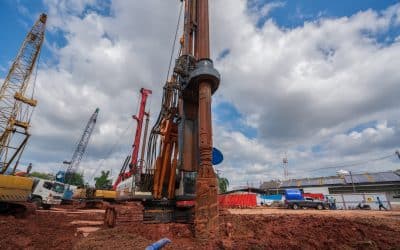
How to Improve Water Well Yield and Efficiency
A private water well is a powerful investment that provides clean, chemical-free water independent from rising municipal utility bills. However, over time, property owners may notice a decrease in water pressure, slower tank refills, or a drop in total gallons per...
The Value of Bundling: Combining Well Drilling and Cathodic Protection Services
Whether you manage an industrial site, agricultural operation, or commercial facility in the Permian Basin, infrastructure projects require significant coordination, time, and budget. When setting up a long-term site, two critical subterranean services frequently come...

Drilling a Water Well in Difficult Terrain: Solutions for Rocky West Texas Land
Drilling a water well in West Texas and the Permian Basin isn't like drilling in soft topsoil. Landowners and commercial operators across Odessa, Midland, and surrounding areas frequently face challenging subsurface conditions—from abrasive caliche and dense limestone...
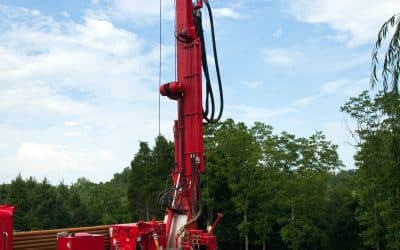
Understanding Your Water Well Report: What Every Texas Landowner Should Know
Once your new water well is successfully completed, your driller will hand you a document packed with numbers, technical terms, and geological data. In Texas, this official document is called the State of Texas Well Report, and it is filed with the Texas Department of...
The Role of a Geologist in Successful Water Well Drilling
Drilling a water well in Texas isn’t as simple as picking a spot on your property and digging until you hit water. Underground water flows through complex layers of rock, sand, gravel, and clay. Finding a reliable, clean, and long-lasting water supply requires more...